| If you’re a dietitian working with infants, or you want to get into this field, you’ll definitely be asked for your opinion on various infant formulas. We know breast milk remains the gold standard, but the reality is that many families use formula either as a supplement or a primary source of nutrition. Parents are inundated with messages, whether from formula companies, social media, or well-meaning relatives.As pediatric RDs, our role is to provide clarity and confidence. We know all formulas are designed to support growth, but subtle differences in ingredients, composition, and regulations can guide individualized recommendations.
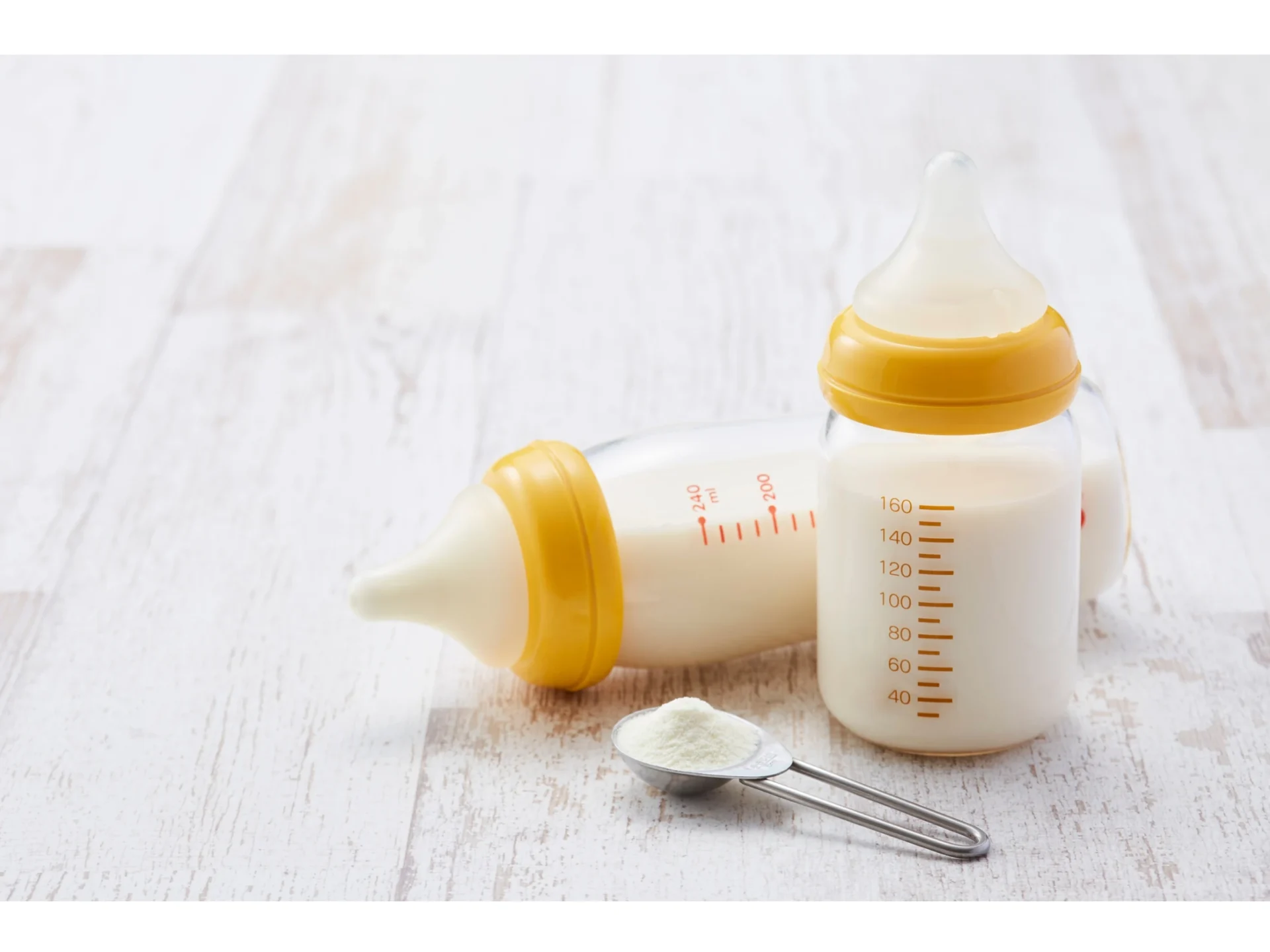
We’ve put together five key considerations to help frame conversations with families. 1. Start with the Basics: All Formulas Meet Nutritional StandardsRegardless of brand or type, infant formulas here in North America are carefully regulated to ensure they meet nutritional needs for infants. Every formula on the market contains the essential macronutrient balance of protein, carbohydrate, and fat. This is a reassuring starting point for parents who feel overwhelmed. Whether a family chooses a conventional, organic, or boutique formula, the core nutritional content remains the same.
2. Look Beyond Marketing ClaimsThe formula aisle, and increasingly, online marketplaces, are crowded with claims: “gentle,” “closest to breast milk,” “European style,” or “non-GMO.” Some boutique brands emphasize features such as pasture-raised dairy, exclusion of palm oil, or addition of alpha-lactalbumin. These attributes may resonate with families, but it’s important to emphasize that many of these differences have not been shown to impact long-term outcomes for most infants. For example:
3. Consider Carbohydrate and Protein SourcesParents often want to understand the “why” behind ingredient lists. Here’s how to break it down simply: Carbohydrates
Protein
4. Use the Least Restrictive Intervention FirstFamilies often hope a formula change will “solve” fussiness, spit-ups, or crying. But not every symptom signals a need for medicalized formula. Before recommending a switch, assess:
Most fussiness improves naturally, and reflux is often benign when growth is unaffected. However, sometimes formula changes are necessary and have potential for improving symptoms.
If you’re interested in learning more about thickening, we have a blog that does a deep dive HERE! 5. Tailor Recommendations to Family Needs and RealitiesThe “best” formula is not always the one with the most features, it’s the one that safely nourishes the infant and works for the family. Considerations include:
Final ThoughtInfant formula counseling requires more than nutrition expertise, it requires empathy and cultural sensitivity. While formulas differ in ingredient sourcing and marketing, they all support healthy growth when chosen appropriately. As pediatric dietitians, our role is to cut through the noise, reassure families, and guide them toward safe, practical, and personalized choices. The “top five tips” remind us that formula is not about perfection, it’s about meeting each family where they are. What’s New at Nutrition Masterclass?Are you are a new grad, new to pediatrics or new to the world of infant nutrition? Registration is opening soon for our flagship course, Infant Nutrition Essentials. Hop on the waitlist HERE to get access to the best price.
|
Top 5 Infant Formula Tips
August 21, 2025
Want To Share This Post?
 RD Tip: Start by reminding families that all formulas support healthy growth. This helps reduce anxiety before diving into specific options.
 Brand New – we’re currently working on a webinar series on Pediatric Anemia that will come out in November 2025. Stay tuned for more details in late October!
Latest Blog Posts
Responsive Feeding: Why the Latest WHO Evidence Should Reinforce Your Clinical Practice
2026 AAP Clinical Practice Guideline on Faltering Weight in Children: What Pediatric Dietitians Need to Know
Which Children Are Good Candidates for a Blenderized Tube Feeding Diet?
FPIAP: Should We Always Eliminate Dairy? Exploring the “Watch and Wait” Approach
A Practical Framework for Assessing Picky Eating in Children
Feeding Preterm Infants After NICU Discharge: Practical Guidance for Dietitians