Infant GI Series 2023: Navigating Constipation, Reflux, FPIAP and FPIES

Recordings now available for four webinars, 1.5 hours each

6 CPEUs approved by the Commission on Dietetic Registration in the US
$229 USD
CPEUs: 6

Our Infant GI Series 2023 is for you, if…

  • You are a dietitian who sees (or wants to see!) infants and young toddlers, be it in clinical, community or private practice
  • You have families coming to you looking for guidance on the next steps for their child with constipation, reflux, food protein induced allergic proctocolitis (FPIAP) or food protein induced enterocolitis syndrome (FPIES)
  • You’re feeling uncertain as to the best approach for these conditions
  • You want to provide the best advice available to this vulnerable age group

We are thrilled to be presenting this Infant GI Series 2023 featuring two rock solid guest speakers along with two webinars from your Nutrition Masterclass Co-Founders, Charlene Kennedy and Julie Larocque. With this 4-part webinar series, here’s a sneak peek of what you can expect:

  • constipation management above and beyond ‘fluid and fibre’
  • step-by-step reflux strategies and what to do if nothing works
  • approaches for infants with FPIAP who have ongoing blood in their stools, despite removing cow’s milk
  • selection and timing of food introduction for babies with FPIES to ensure their nutritional needs are met

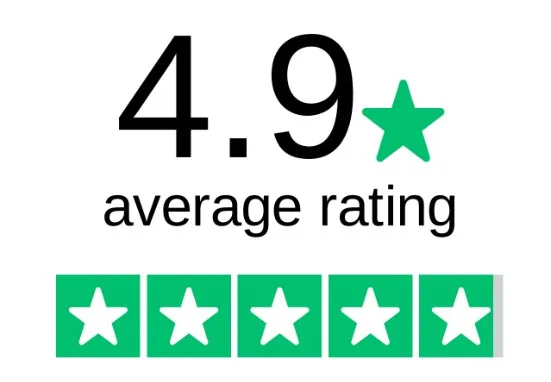
Course Rating & Reviews

People love our Course on Infant GI!
“I really enjoyed this webinar series. I deal with these issues every day in practice, and it was nice to have different strategies and approaches to try.”

“Excellent presentation loaded with useful information. I recommended this webinar series to all my coworker dietitians.”

“All presentations were so helpful and provided the most up to date, practical information to help ensure we are identifying and treating each of these conditions appropriately.”

“I knew I would learn a lot from the FPIES, FPIAP and reflux sessions. I was impressed I still learned from the constipation one! Thank you for an amazing course!”

Speaker(s)

Heather Mileski, RD

Focus on Infant and Toddler Constipation

Heather’s webinar will review the role of diet, fluids, probiotics and medications in constipation for young children. It will also help you to identify red flags for when there might be more going on than “just constipation”.

  • Defining normal: What falls within the range of normal for stool texture and colour? When should you be concerned versus reassuring to families?
  • Common types of constipation: What is the difference between function and intractable constipation? Where does fecal impaction and encopresis fit?
  • Treatment considerations: Nutrition management and understanding the various pharmacological interventions
  • Tools for success: Practical tips to help families get the results they are hoping for with their child

Heather Mileski is a Registered Dietitian with 18 years of experience working with children with digestive diseases at McMaster Children’s Hospital in the Department of Gastroenterology and Nutrition. She obtained a Bachelor of Applied Nutrition at the University of Guelph and interned at Hamilton Health Sciences. Working at an academic facility has allowed Heather to collaborate on a variety of research topics related to celiac disease, intestinal failure and inflammatory bowel disease. As of 2020, she branched out into private practice through Blueprint Nutrition where she continues to focus on children and young adults with digestive related concerns.


Julie Larocque, RD & Co-Founder of Nutrition Masterclass

Infant Reflux – Dietitians’ Role as We Shift Away From Pharmacological Therapies

In this webinar, Julie will walk you through the limited evidence for pharmacological therapies for infant reflux. She will ensure you are equipped with the knowledge of which non-pharmacological intervention might work best (e.g. positioning, thickening feeds and milk-free diet trial), and next steps to consider for those most challenging cases.

  • Differentiating between GER and GERD: Starting from diagnosis, prevalence and clearly defining GER vs GERD. Who needs our intervention?
  • Limited evidence for medications: What are the shortcomings of acid suppressive and prokinetic medications in the management of infant reflux? Why are we now encouraged to shift away from pharmacological therapies?
  • Treatment considerations: Evidence and practical applications of non-pharmacological treatment options. When and how to select positioning, thickening of feeds and milk free diet trials?
  • When everything else fails: For those most challenging cases, a discussion around next step considerations to help families that have tried everything.

Julie Larocque, RD is a co-founder of Nutrition Masterclass, a platform that offers online education to dietitians who want to learn more about pediatric nutrition. She has the privilege of teaching on a variety of pediatric topics, with a focus on infant nutrition, to thousands of students from around the world. She graduated with a Biochemistry degree from the University of Ottawa and a Food and Nutrition Sciences degree from the University of Alberta. For the past 16 years she has worked at the Children’s Hospital of Eastern Ontario, serving a variety of clinics and departments before finding her passion in pediatric intensive care and inpatient complex care medicine. She is devoted to optimizing the nutrition delivered to her patients and working with families to create plans that make a difference.

Charlene Kennedy, RD & Co-Founder of Nutrition Masterclass

Food Protein Induced Allergic Proctocolitis (FPIAP): Beyond the Basics of Removing Cow’s Milk

Charlene’s webinar will guide you through best practices for infants with FPIAP including practical tips surrounding when to consider removing additional allergens, when and how to challenge allergens and considerations for infants after the age of 12 months.

  • Prevalence: Cow’s milk is well-known as the most common FPIAP trigger, but how likely are other or multiple allergens to be the culprit?
  • Considerations for allergen removal: When should additional allergens beyond cow’s milk be removed? How do we navigate the removal of multiple allergens for a breastfeeding parent?
  • Challenging the allergen: When do we consider a challenge? What is the best strategy for a challenge? Who makes this decision?
  • Failing a challenge after the age of one: If cow’s milk is the offending allergen, what is the best milk to recommend after 12 months of age? Do recommendations differ from country to country?

Charlene Kennedy has been a Registered Dietitian in Canada for over 20 years, recently becoming registered in the US as well. Known for her down-to-earth nature and realistic approach, she strives to understand her clients’ motivations for seeing a dietitian along with barriers they may be facing.

Her career began at CHEO, her local children’s hospital, where she found her pediatric niche and love for helping families. From there, she expanded to include homecare as part of her practice, where she followed complex, tube-fed newborns being discharged from hospital. Currently, she also collaborates with an occupational therapist to provide private tube feed weaning services in their community. Most recently, along with her role as the co-founder of Nutrition Masterclass, she is the owner of Kennedy Nutrition, a private practice focusing on pediatric nutrition.

Marion Groetch, MS, RDN

Food Protein Induced Enterocolitis Syndrome (FPIES): Nutrition Challenges and Solutions

Marion’s webinar will aide dietitians in having a greater understanding of appropriate allergen avoidance, safe advancement of complementary foods, and how to address goals for adequate nutrition to support growth and development. She will also explore the nutritional risks of FPIES and the psychosocial impact of this diagnosis on patients and their caregivers.

  • Overview: How do you differentiate between chronic, acute and atypical FPIES?
  • Review of complimentary feeding goals: What are nutrient of concerns in the general population?
  • Nutritional risks in FPIES: What are the risks of poor growth and why is it occurring? Why do many of these infants experience feeding difficulties?
  • FPIES feeding guidelines: High, moderate and low risk FPIES triggers will be outlined including how to chose which foods to introduce and when. Using case studies, Marion will guide you in applying what you’ve learned to develop feeding plans

Marion Groetch, MS, RDN, is the Director of Nutrition Services at the Jaffe Food Allergy Institute and Associate Professor in the Division of Allergy & Immunology at the Icahn School of Medicine at Mount Sinai. Her primary responsibilities include providing clinical care and leadership in food allergy research and professional education. She is a registered dietitian nutritionist with over 25 years of pediatric experience, most of which has been focused on caring for patients and their families living with food allergy. Due to her unique and extensive experience and her international recognition in the field of nutrition and food allergy, Marion has had the opportunity to teach, around the world, to dietitians, physicians, nurses, and the lay public on diverse nutrition topics. She has contributed significantly to academic research having been asked to join or lead consensus and guideline publications on wide-ranging food allergy topics.

Frequently Asked Questions

Payment Options


(Tax Included for Canadian Residents)